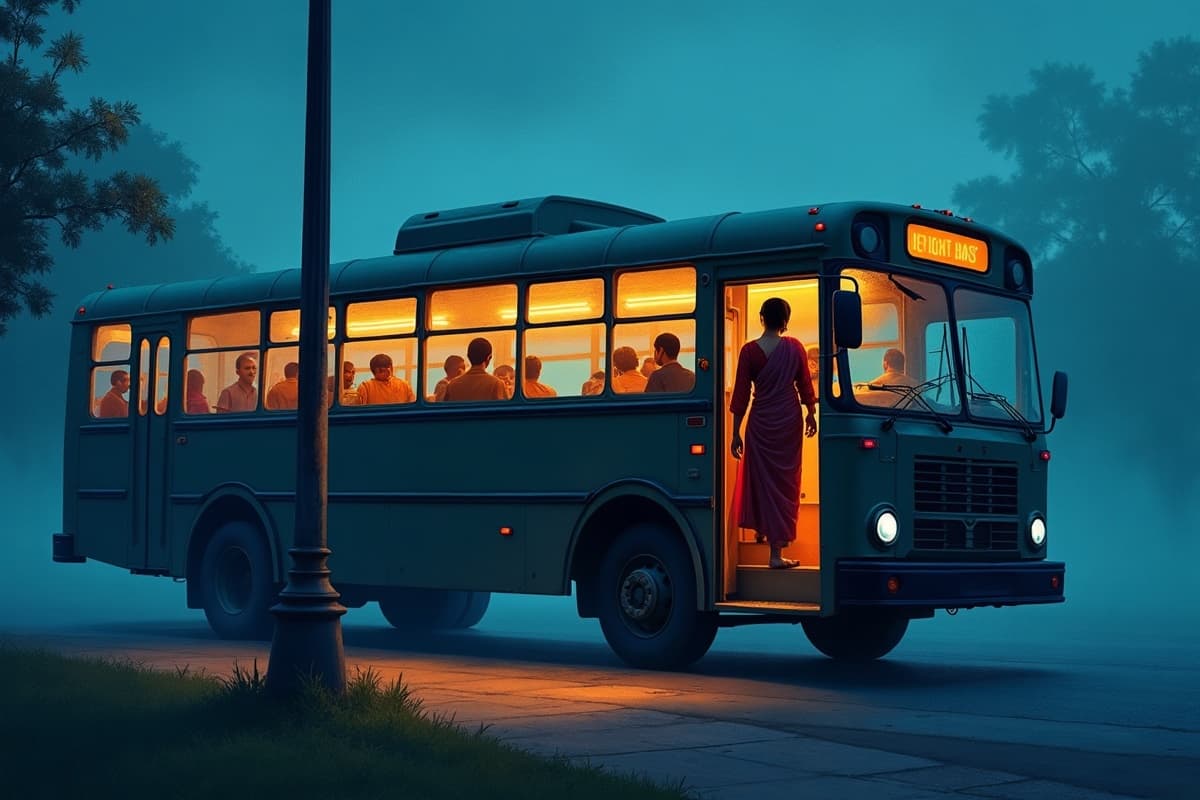
It is morning in India. Your phone wakes before you do. There are sixty-three notifications waiting. Three from the family WhatsApp group with a forwarded video about Bengal, two from Google about a market crash you did not ask about, fourteen from Instagram, and one news app shouting about a war in West Asia.
You have not opened your eyes yet, and someone has already decided what you are angry about today.
This is Kali Yuga. Not a metaphor. The age in which dharma stands on one leg, in which truth thins out, in which the noise drowns the signal. Our scriptures named this age. They could not have known it would arrive on a 6.5-inch screen.
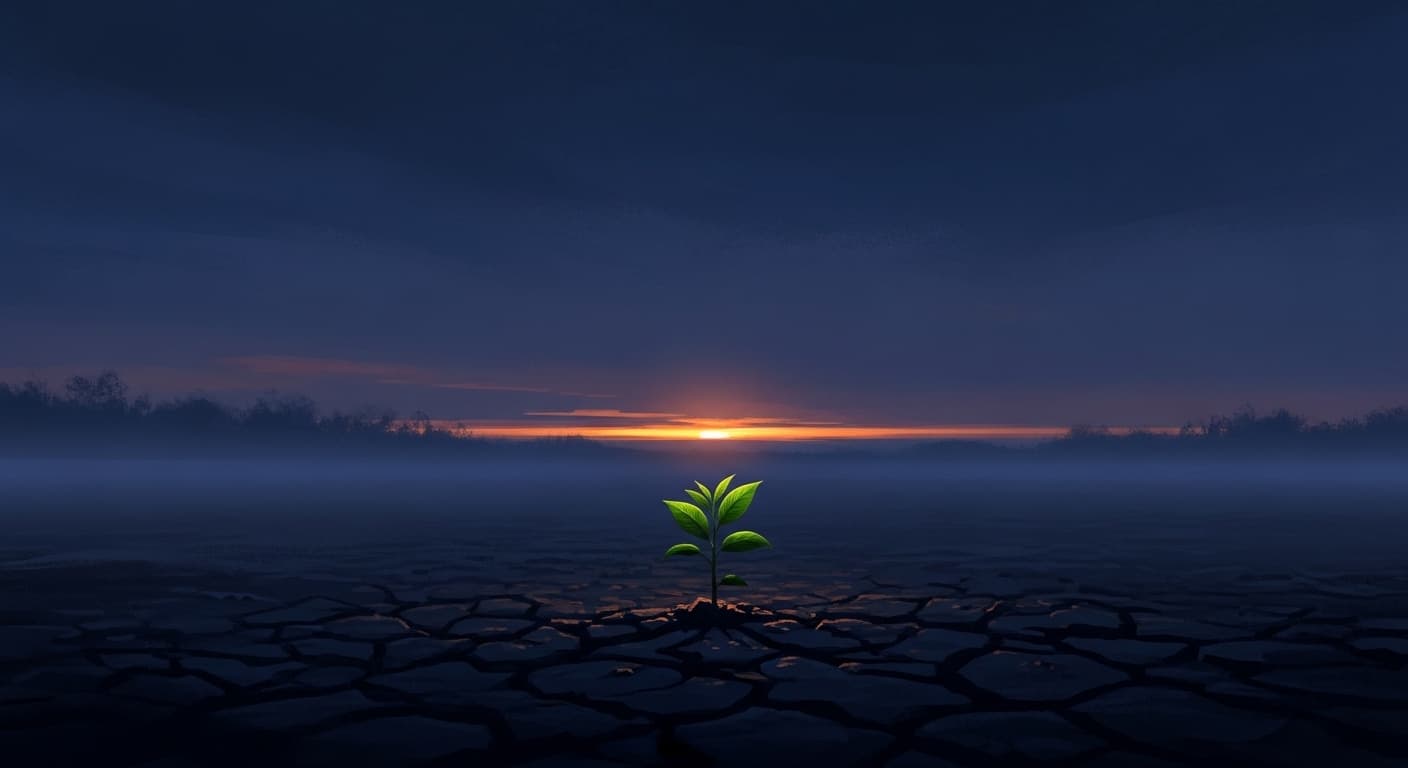
Kalki has not come. The seed he will plant moves before him, through stories, through choices, through people. It is moving now. So are you.
What is broken
Most news in this country today is not journalism. It is a transaction.
Five years ago, one of us switched off the television in his home. By then, his mother had already stopped reading the news. She did not announce it. She simply stopped. After the television, the phone took its place. He would open Chrome in the morning and the first three things on the screen would be a rape, a riot, and a forwarded video framed to make him angry at someone he had never met. So he changed the app. Then the next. Then the next. The algorithm was the same in all of them.
None of this is rare. It is most thinking Indians, in this decade.
Anchors trade ratings for access. Channels trade access for protection. The political parties pay in influence, the algorithms pay in clicks, the reader’s attention is the inventory both sides are trading. The forward in your family WhatsApp group was engineered, somewhere upstream, by someone who needed you to feel certain that someone else is the enemy.
This is the algorithmic darkness of our age. The answer to it, as in every age, is older and simpler than any algorithm.
What Kalkiavatar is
Kalkiavatar is a news brand for the age that comes after this one.
The Kalki Purana describes him on a white horse, with a blazing sword. The sword is not for slaughter. It is for clarity, for cutting through the fog. The horse is not a war horse. It is the speed of dawn after a long night. Kalki does not end the world. He ends its darkness, and the next age, Satya Yuga, begins from the seed.
A news brand cannot end Kali Yuga. A news brand cannot be Kalki. But a news brand can be part of the work that comes before him. Clearing the fog. Planting the seed. That is what we are here to do.
What we will cover
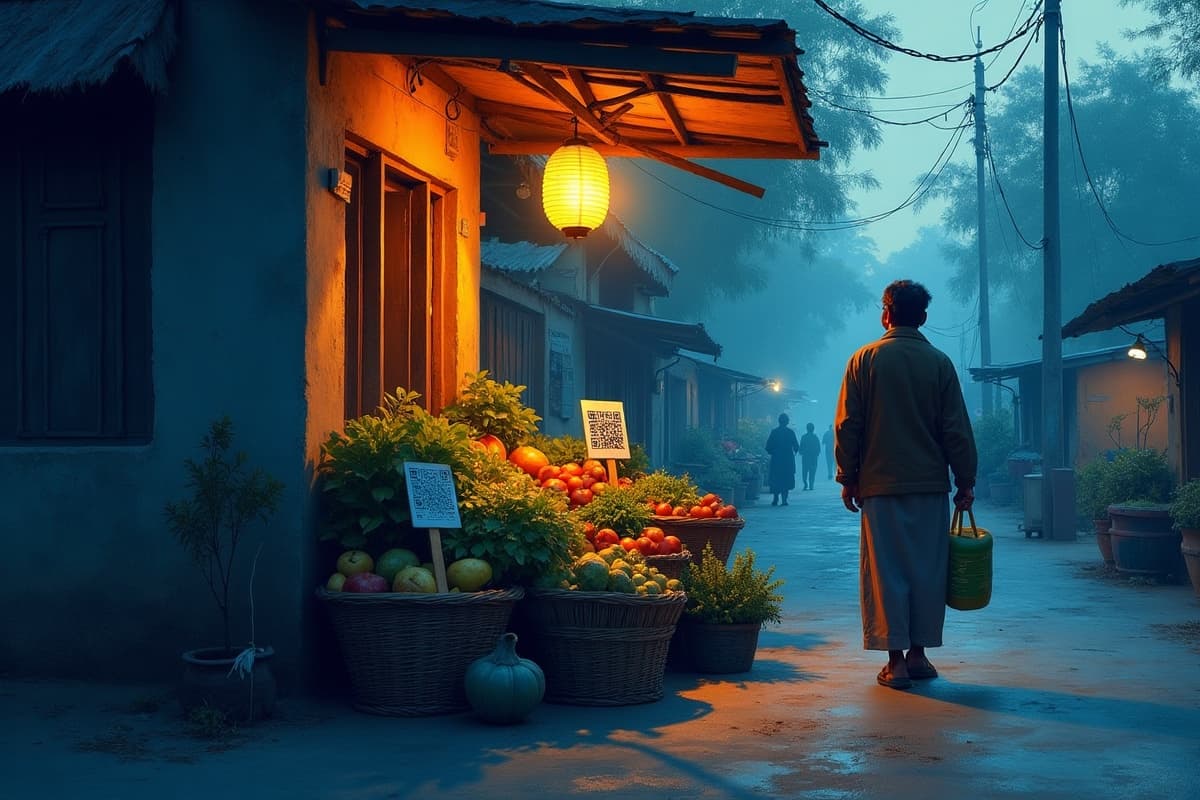
We will cover the things that actually shape an Indian life in this decade.
Politics. Bengal, Maharashtra, Delhi, Tamil Nadu, without picking a tribe. Geopolitics. When America moves on Iran, when China moves on us, when the world moves around us, without banging war drums. Technology. The AI that is rewriting what work means, and what every Indian under thirty should be thinking about. Sports. The IPL, the joy of a contest, without the hyper-nationalism that has been pasted over it. Spirituality. Yoga, meditation, the actual practices and the actual research, not the Instagram aesthetic.
We will publish in English and in Hindi, because some stories were lived in one language and some in the other, and the reader deserves the version closer to the source.
These are the topics. The lens is the same on all of them. Every story written for a thinking adult who deserves the slow truth instead of the loud one.
The thing the press does not write about
The jungles we are still cutting. The rivers we are still poisoning. The animals we have decided do not matter.
There is no peace in a country that has lost its forests, and most of the press here has not noticed. We will.
The method
Most journalism today is trying to argue you into a position.
We are not. The argument never wins. The story does. Beliefs live in the subconscious. Arguments do not reach there. Stories sometimes do.
So we will tell the news as stories, slowly, often quietly, sometimes only for a few thousand people in the first week. And over weeks and months, those stories will do something the news cycle currently does not. They will make you a little more curious about the people you have been told to hate, and a little less certain that someone, somewhere, is the enemy. That is enough.
We will not pretend this is not a technique. It is. We have chosen it because outrage has had its turn and has not made anyone better.
One promise you can hold us to
Here is something concrete.
We will publish a public corrections log on this site, updated within twenty-four hours of any factual error. We will name the writer, the error, and the correction, in plain language. If we fail to do this consistently, you should stop reading us.
Most news in this country does not work that way. We will.
A note about how this is written
Some of what you read on Kalkiavatar will be drafted with the help of artificial intelligence. We will mark every piece where this is true. A human editor reads every line before it is published. The responsibility for the story is ours, not the model’s.
We mention this here because a reader who finds out later, through a leaked screenshot or a competitor’s exposé, has every right to feel cheated. We would rather say it in our first letter than have it discovered in our hundredth.
What you can do
You can subscribe to the newsletter at the bottom of this page. You can send us a tip. You can argue with us through the corrections form. None of these is the most important thing.
The most important thing you can do is share one Kalkiavatar story this week with one person in your family who has stopped reading news because it makes them feel sick. That is how the seed travels.
The age is dark.
The world goes fine.
You are reading what comes next.