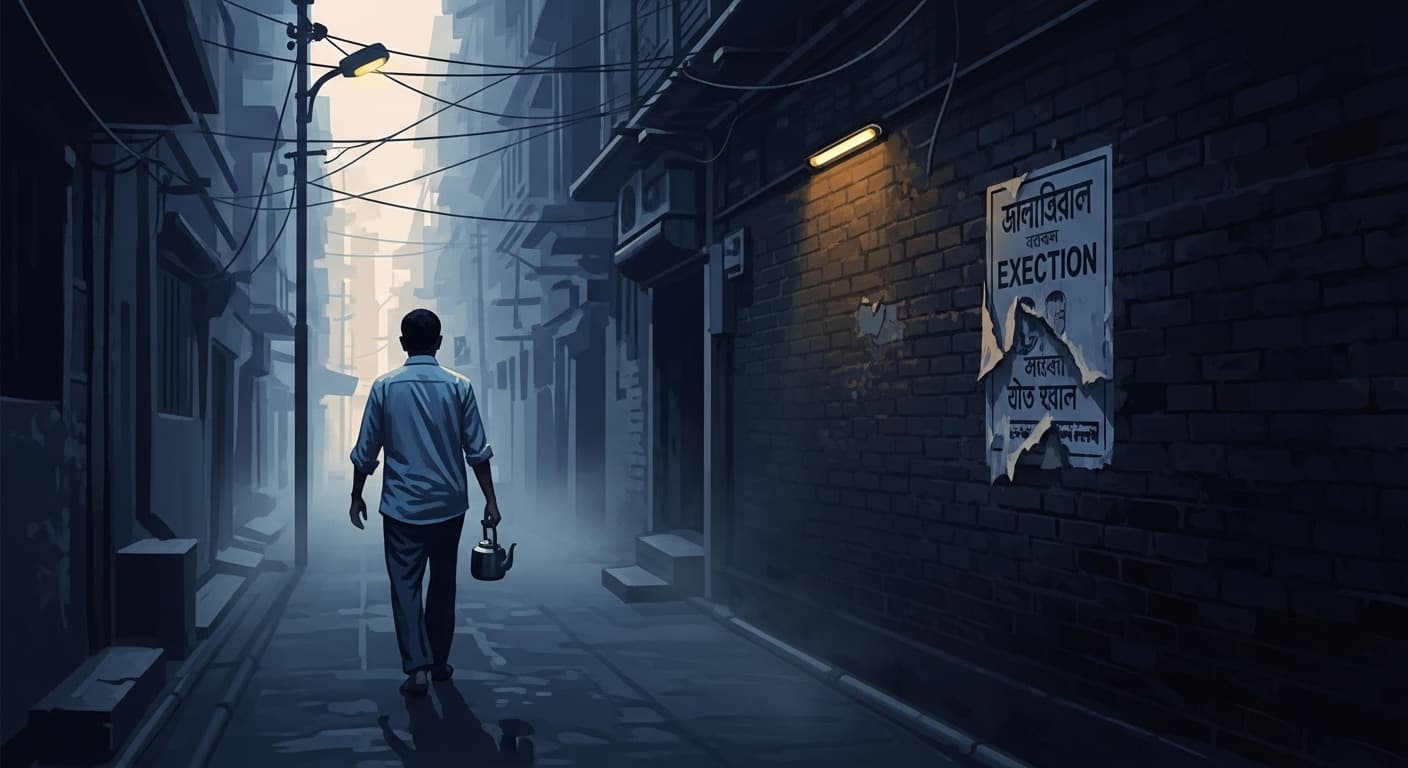
It is six-thirty in the morning at a depot on the edge of a south Indian city. The first bus of the day fills up in a way it did not three years ago. There are women on it. Not one or two. Whole rows. Domestic workers heading to the first of two houses they clean. A nursing student with a bag of photocopied notes. A vegetable seller with two empty baskets, going to the wholesale market to fill them.
None of them paid for the ticket. In this state, women ride the government bus free.
On television tonight, someone in a suit will call this a freebie. He will say it with the small contempt reserved for money spent on people who do not buy advertising. He will ask who is going to pay for it.
He has never been on the six-thirty bus.
The wrong argument
The freebie debate is one of the laziest arguments in Indian public life, and it is lazy on purpose. It collapses every rupee a government spends on an ordinary person into one suspicious category, and then asks, in a grave voice, where the money will come from.
The trick is that the question is never asked about everything. A tax break for a large company is an incentive. A waived loan for a corporation is a restructuring. A new flyover that mostly serves car owners is infrastructure. A bus ticket for a woman who cleans houses is a freebie.
The word does no analysis. It just tells you who the speaker thinks deserves help and who does not.
What the ticket actually buys
Here is what a free bus ticket is, for the woman on the six-thirty.
It is the difference between one job and two. If the bus costs forty rupees a day and she makes three hundred, the second house across town was never worth it. Free, it is. That is not a metaphor. That is arithmetic she does every morning.
It is a daughter in college instead of at home. A family that will spend on a son’s commute and hesitate on a daughter’s will send her when the commute is free. The scheme does not announce this. It just quietly removes the line item that the hesitation hung on.
It is a clinic visit that happens instead of one that is put off. It is a woman leaving a bad house because she can now afford to get to her sister’s. It is movement, and movement is the thing that poverty takes away first and returns last.
You can dismiss all of this from a studio. You cannot dismiss it on the bus.
Judge it by the right number
None of this means every welfare scheme is good. Some are wasteful. Some are bribes with a launch date near an election. A serious country argues about which is which.
But it argues with the right number.
The wrong number is the headline subsidy bill, waved around with no denominator. The right numbers are these. Did women’s ridership rise? In several states that ran the scheme, the transport corporations reported that it rose sharply, fast. Did women take more trips for work, study, and health? The early research says yes. Did the state’s own buses, often half-empty and bleeding money, suddenly carry more people? Also yes, which changes the economics of the bus system itself.
A scheme that moves those numbers is not charity. It is one of the cheaper things a government can do to put a large number of people, mostly women, into motion toward work and school. You may still decide it costs too much. But now you are having the real argument, with the real figures, instead of throwing a word at people who clean your office.
What you can do
The next time you hear the word freebie on a panel, do one thing. Ask, in your own head, the question the panel will not. Freebie for whom, and compared to what.
Then, if you can, take an early state bus once. Not for research. Just to see who is on it now who was not before.
The bus is fuller than it was. Somebody decided that a woman’s movement was worth a ticket. Whatever you call that, it is not nothing.